Return to previous page
As business strategies evolve, companies need people who are ready to turn new priorities into action. At GELEX, developing people goes beyond the classroom. It happens through real work, new challenges and the responsibility to deliver results.
When GELEX began implementing International Financial Reporting Standards (IFRS), Nguyen Thu Hang, Deputy Head of the Accounting Department within the Group’s Finance and Accounting Division, found herself looking at her work from a different perspective: that of the people who read financial reports.For an accountant, getting the numbers right is essential. But for those reading the reports, accuracy is only part of the picture. They also need to understand what the numbers reveal about the business and how they have been arrived at.

GELEX is now in its second year of publishing IFRS financial statements, even though adopting these standards is still voluntary under current regulations. “Working on IFRS implementation has given me the chance to build new technical knowledge and better understand the role of corporate governance and transparency in financial reporting”, Hang said.
The experience has helped Hang see more clearly how financial reporting connects with the way a business is managed. It is also a good example of how people can develop their expertise by taking on work that supports the Group’s strategic priorities
Building the capabilities to put strategy into action
For an investment group like GELEX, putting strategy into practice requires leaders and managers across the Group to understand the same priorities and know how to translate them into action within their own businesses. Leaders set the direction and create the conditions for progress. Managers turn that direction into clear objectives, organize the work and bring their teams together to deliver results.
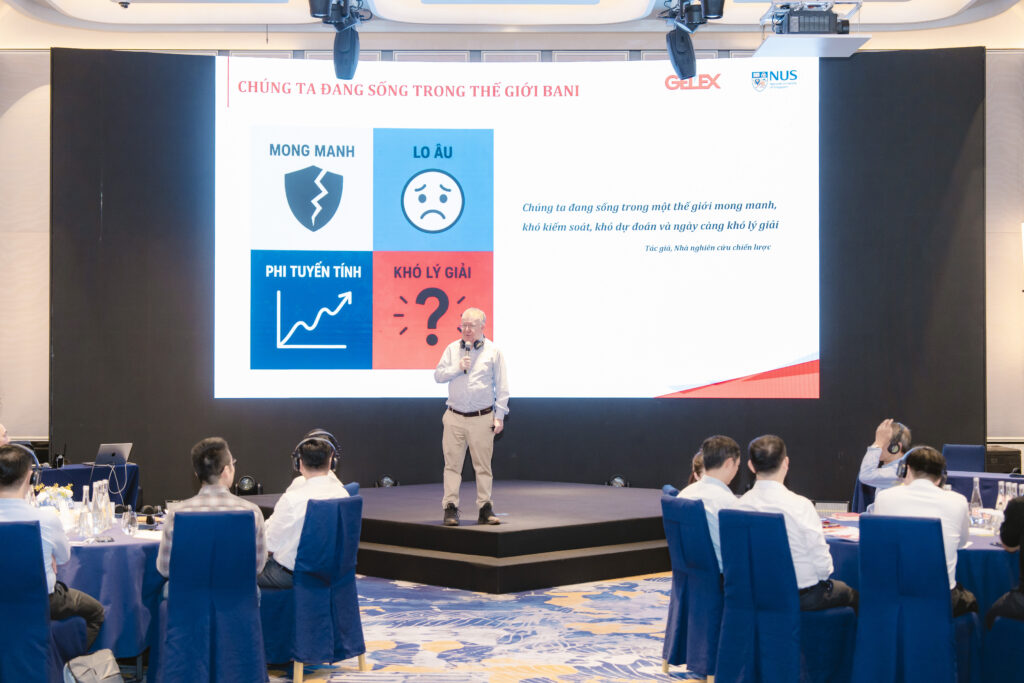
In 2026, GELEX introduced two development programs, Future Makers and GELEX Managers, each designed to meet the different development needs of its leaders and managers. Both connect management knowledge with real challenges at work, from setting priorities and allocating resources to leading teams towards shared goals. Designed exclusively for GELEX by NUS Business School, the 2026 Future Makers program focuses on developing leadership thinking and the ability to lead change. GELEX Managers, meanwhile, is aimed at middle managers, with practical content closely linked to their day-to-day responsibilities, including setting priorities, solving problems and managing teams.
This builds on the Group’s investment in employee development in 2025, when GELEX delivered 849 training courses, providing more than 86,000 hours of training to approximately 17,000 participants, with a total investment of over VND 27 billion. To make that investment meaningful, training needs to address what different employee groups actually need to do in their roles and where they can improve
Growing through new challenges at work
Training is only one part of professional development. Just as important are the opportunities people get to take on new projects, put forward ideas and take responsibility for their work. These experiences help them develop skills and confidence that their usual day-to-day responsibilities may not always require.
For Nguyen Viet Anh, Deputy Director of the Group’s Project Management Department, working in new areas has broadened his perspective and strengthened his ability to collaborate and solve problems. His experience is different from Hang’s work on IFRS reporting, but both illustrate how people can grow through the work they do. While Hang has gained a deeper understanding of governance requirements in her area of expertise, Viet Anh has learned to bring different areas of expertise together to address project challenges.
“Through training and hands-on experience, I’ve come to realize that some of the most valuable learning happens when we’re given the chance to take on real responsibilities and grow through the work itself. At GELEX, we’re trusted to try new approaches, receive feedback and make adjustments when things don’t go as planned. Having our progress recognized along the way also helps us see that our efforts matter and encourages us to take on greater responsibility”, Viet Anh shared.
Taking the initiative to learn every day
GELEX follows the 70–20–10 development model, combining formal training with learning from colleagues and managers, as well as experience gained through everyday work. What people learn is put into practice, tested through experience and refined with feedback.
For example, after learning about delegation, a manager can apply those skills by making sure employees understand the results expected of them and the decisions they are empowered to make. Feedback from the team then helps the manager adjust their approach.
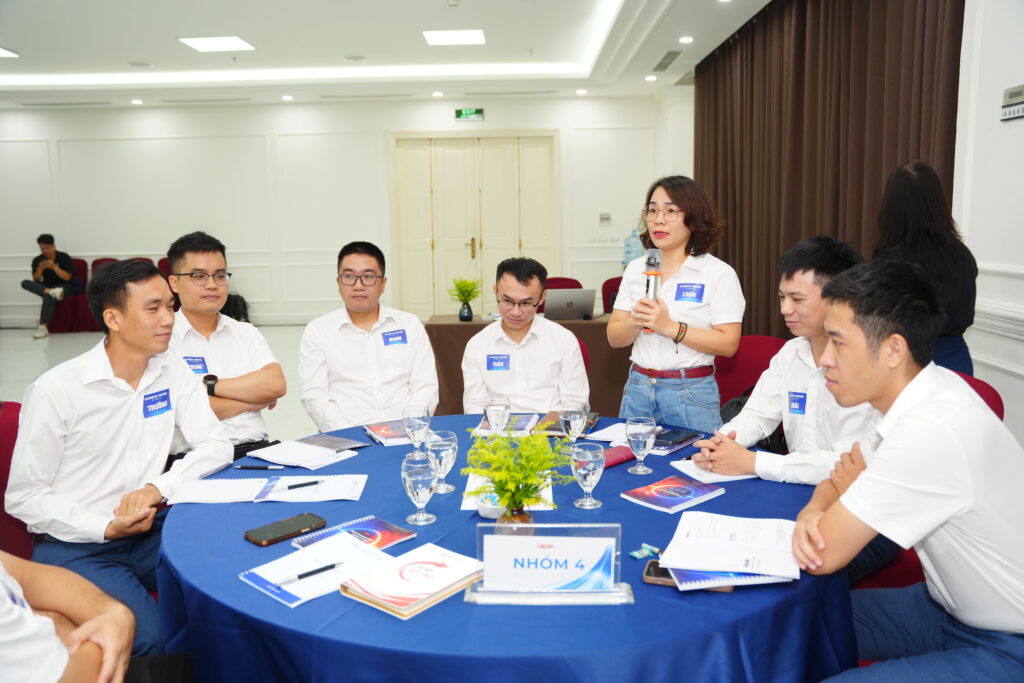
For Vu Tuyet Loan, from the Group Office, learning often starts with a new challenge at work. “For me, learning starts with being proactive. I make a point of talking to colleagues, observing how they approach their work and trying out what I’ve learned in my own role. Learning helps me do my job better and contribute to the organization, but ultimately, I’m the one who benefits most in the long run”, Loan said.

GELEX’s leadership is committed to investing in training and people development without limits.
Speaking about the Group’s approach to developing its people, Mai Thi Minh Thu, Executive Committee Member and Group Human Resources Director of GELEX, emphasized that employees should have the opportunity to learn, develop and take on new challenges.
“At GELEX, we invest in our people through training programs, support and guidance from managers, and opportunities to take on new responsibilities. But each person also needs to take the initiative to learn, put new knowledge into practice and take ownership of their work. As people become ready to handle greater responsibilities, they have more opportunities to grow, and the Group gains a stronger team capable of delivering its strategy”, she said.
PR DEPARTMENT
Related news
At GELEX, Learning Happens on the Job
When GELEX Infrastructure arranged its first international syndicated loan, the team had to work with 19 financial institutions and meet a series of due diligence requirements within a tight timeframe. For GELEX Group’s Finance and Accounting Division, the US$200 million loan was more than a financing transaction. It was...
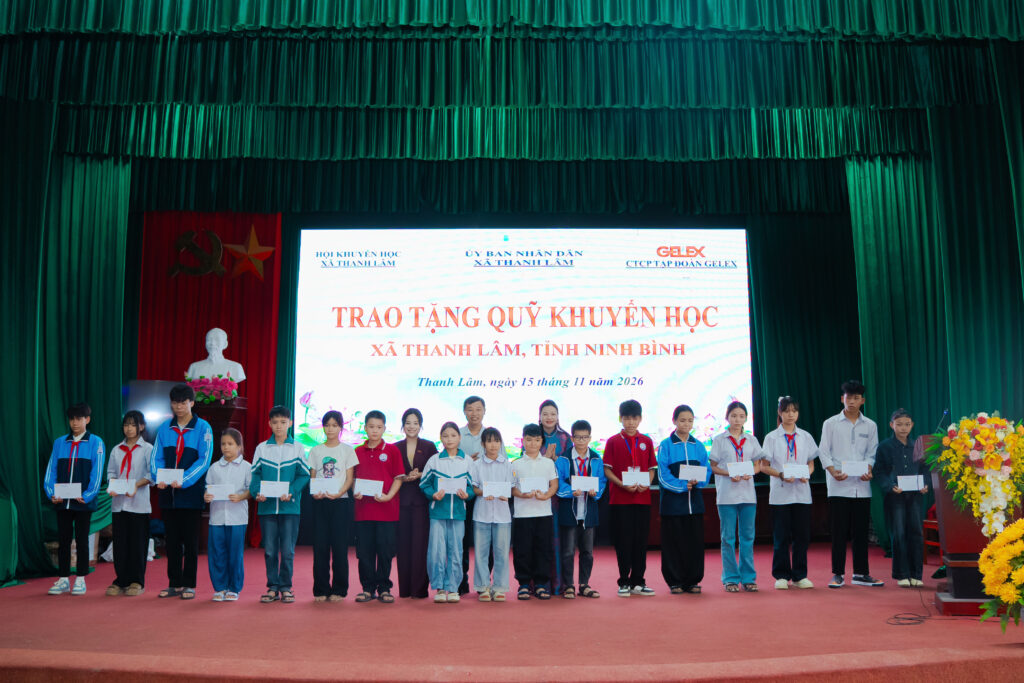
GELEX Donates VND 1.5 Billion to Support Two Scholarship Funds in Ninh Binh
Through this contribution, GELEX hopes to encourage students facing difficult circumstances to persevere, believe in themselves and keep working towards the future they want. On the morning of November 15, 2026, GELEX Group presented VND 500 million to establish a scholarship fund at Thanh Liem B High School, marking...
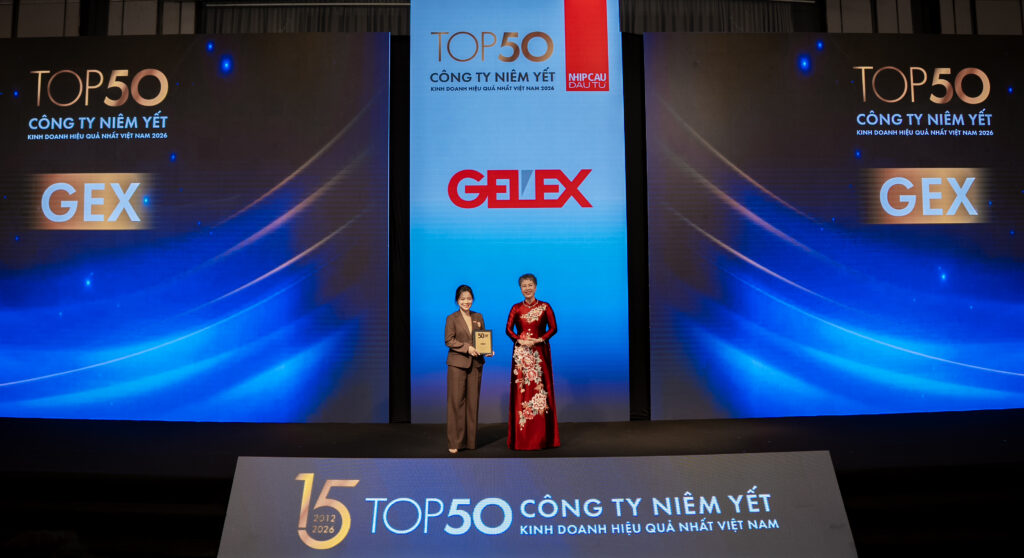
GELEX Ranks Among Vietnam’s Top 50 Best-performing Listed Companies in 2026
The recognition was announced at an awards ceremony held in Ho Chi Minh City on the morning of November 11. The 2026 ranking evaluates companies based on their performance over three consecutive years, from 2023 to 2025. According to figures released by the organizers at the ceremony, the assessment...