Return to previous page
In every organization, valuable experience is built up over time: through solving problems, trying new approaches and leading teams. At GELEX, leaders, experts and managers draw on that experience and share it through internal training programmes, giving colleagues the opportunity to learn from one another and apply management practices to their everyday work.
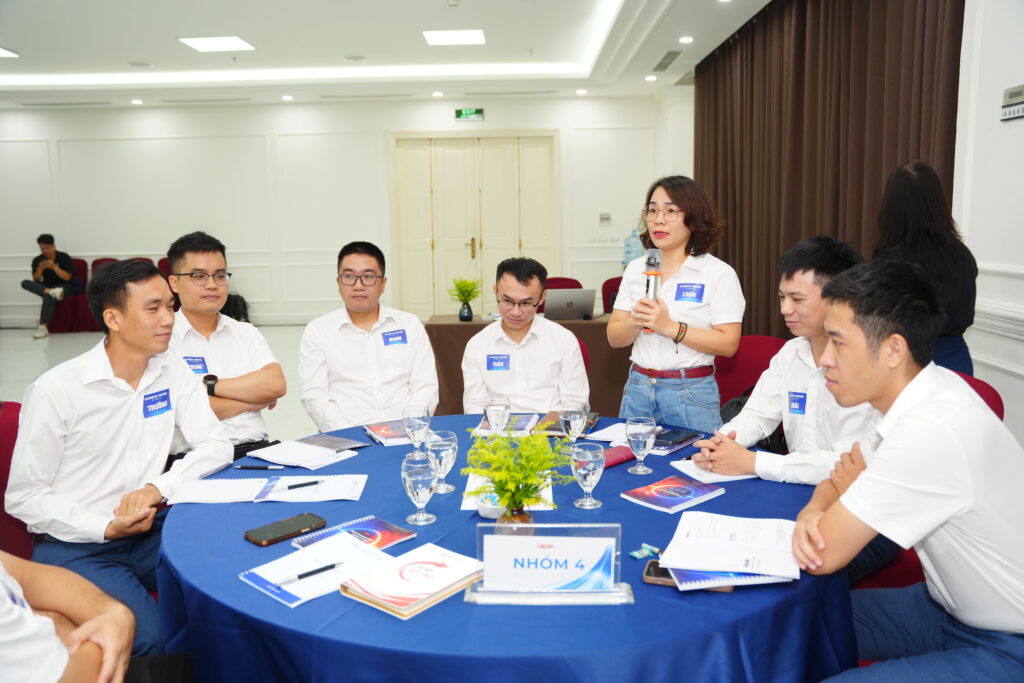
How can employees be encouraged to put forward their ideas? How should managers respond when a new approach does not deliver the expected results? These are some of the questions explored in the workshop series “Leading and Building a Culture of Innovation”, led by Nguyen Thi Minh Giang, Member of the Board of Directors of GELEX Group. The programme has been delivered across several companies in the Group, including GELEX Infrastructure JSC, VIWASUPCO, EMIC and MEE.
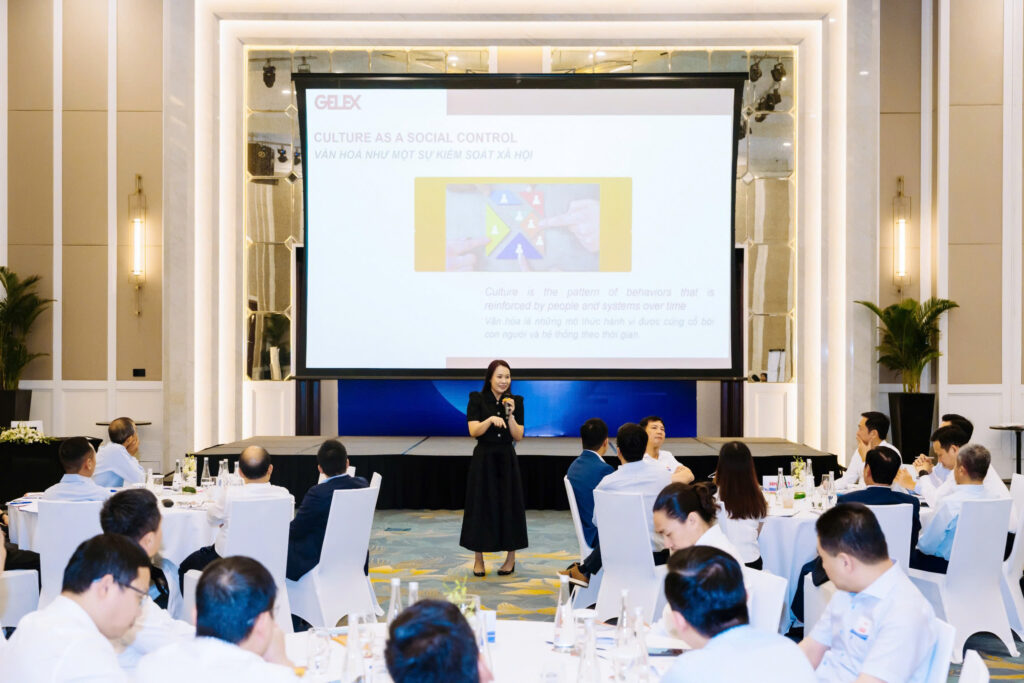
By bringing management experience into the classroom, Giang helps managers look at the areas of their work where they can make a difference. For example, when an employee suggests an improvement, a manager can ask further questions about the problem to be solved, agree on the scope of a trial and decide together how to assess the results. These are practical decisions that can help encourage innovation in everyday work.
The same principle can be applied differently in a factory and in an office. The situations participants bring to the sessions help trainers better understand the conditions in each business unit, while giving learners additional perspectives to find an approach that works for their own teams.
At VIWASUPCO, during a session titled “Raising Your Career Value”, organized jointly by the company and GELEX Group’s Human Resources Division, Nguyen Thi Thuong, Deputy Director of the Group Human Resources Division, worked with the management team to examine a familiar situation: some employees complete a large number of tasks, yet their contribution to overall business goals remains limited. Following the discussion, Nguyen Xuan Quy, General Director of VIWASUPCO, made his expectations of the management team clear: “I don’t want every decision to have to wait for the General Director”. In his view, managers at every level need to understand the common goals, take the initiative to resolve issues within their remit and see things through to the end. They should also create an environment where employees feel able to flag risks early and propose solutions based on actual data.
From Individual Experience to Collective Capability
For Nguyen Hong Nhung, Executive Committee Member and Group Communications Director at GELEX, sharing storytelling methods is about helping managers recognize the value in their everyday work and learn to tell those stories in their own words. Each session is developed using survey findings and stories from the business unit itself. Participants choose an event, identify the details that show what the people involved actually did, and explain why it matters to their colleagues.
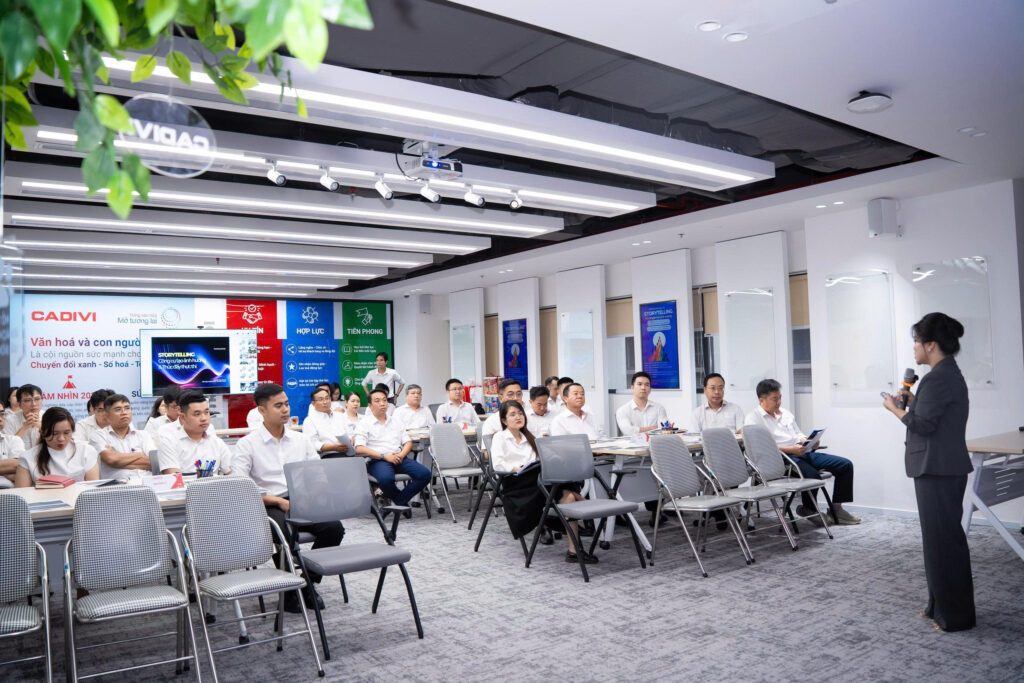
At CADIVI, one group chose to tell the story of the COVID-19 period, when company leaders stayed on site, looked after employees’ daily needs and improved their meals. These details helped colleagues see how care and support were put into action. For a manager at another business unit, the story also raised a practical question: when work is disrupted, what do team members need me to notice and help with?
Nguyen Hong Nhung explains: “When I share at internal workshops, it is not only the participants who learn new methods and gain experience. Through the stories they tell, I also find that the Group and business-unit communications teams gain a better understanding of the work being done and the people behind each unit’s shared achievements”. She describes this as a meaningful shared benefit that comes from spending just a few hours working together.
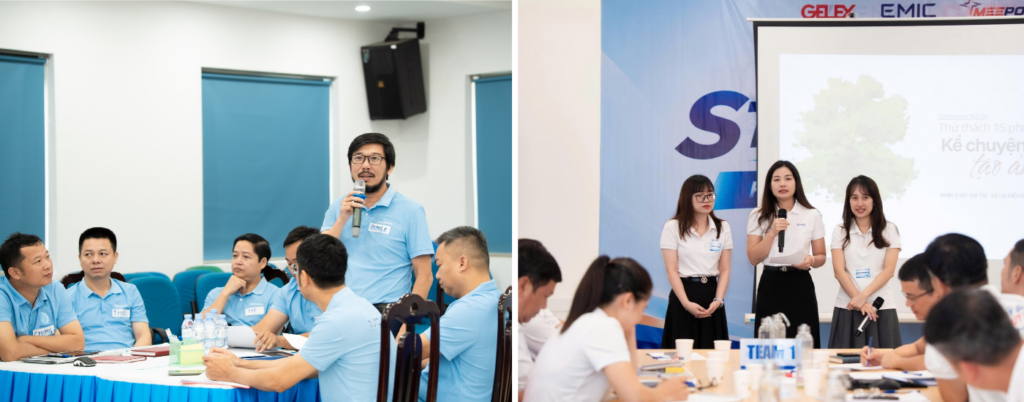
At EMIC, General Director Pham The Ngoc shared: “After the storytelling coaching session at our company, I hope each manager will take a few minutes during a team meeting to talk about something a colleague has done that they appreciate. Even a small gesture like this can make someone’s contribution feel recognized and give the whole team another example to learn from”.
Developing and Recognizing Internal Trainers
Having deep expertise is one thing. Turning that experience into something colleagues can learn from and apply takes additional skills. GELEX’s “Train the Trainer” programmes help internal trainers set learning objectives, choose practical exercises, lead discussions and give feedback to participants. Alongside developing this group, GELEX also organizes activities to recognize and show appreciation for its internal trainers.
Mai Thi Minh Thu, Executive Committee Member and Group Human Resources Director at GELEX, shares: “November 20, Vietnamese Teachers’ Day, is an opportunity for us to thank our internal trainers. We truly value each trainer’s contribution to sharing knowledge across the Group, whether through a carefully prepared session, a real-life situation turned into a lesson, or an approach that colleagues can take back and apply in their own work”.
According to Thu, for a group with as many business units as GELEX, internal trainers give the organization greater flexibility in delivering training that is closely connected to the work people do. Those who understand a process inside out can use real situations to guide colleagues and select the most relevant information to share. When participants take what they have learned back to work, try it out and provide feedback, the original experience can be enriched with different perspectives and shared with other business units.
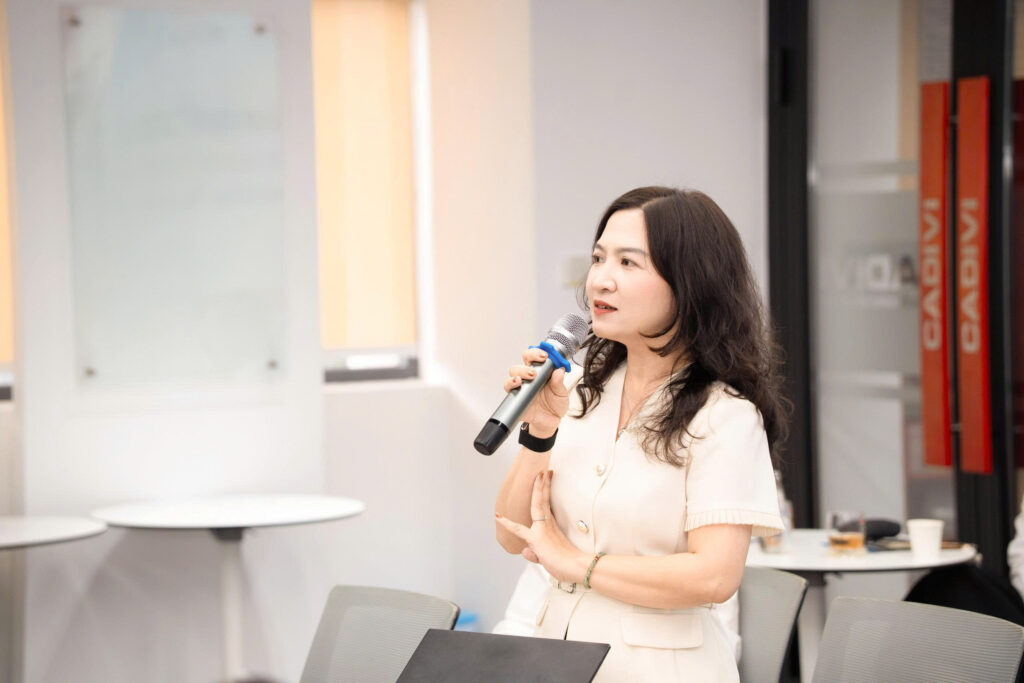
GELEX’s internal trainers include members of the Board of Directors, executive leaders, experts, managers and experienced employees from its member companies. They play an important role in the Group’s training and development system.
Mai Thi Minh Thu emphasizes: “Investing in internal trainers helps GELEX build the capabilities needed for the job, drive strategy execution and nurture a learning culture in which people learn from their colleagues while also having opportunities to share their own experience. When experience is captured, shared and enriched through practice, what one person has learned gradually becomes a shared asset for the organization”.
PR DEPARTMENT
Related news
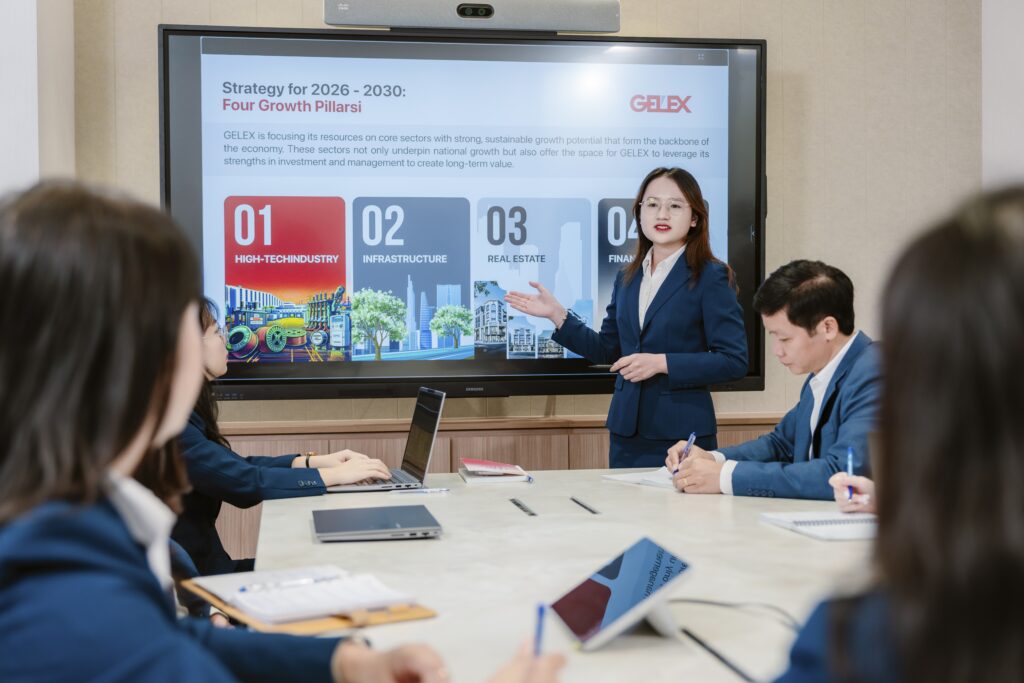
The everyday things that make up GELEX’s learning culture
For Dao Thi My Dung, one of the most rewarding moments in her work in training comes when a session is supposed to end, but the room wants to keep talking because everyone sees something familiar in the topic. Behind that moment are people who make time to share...
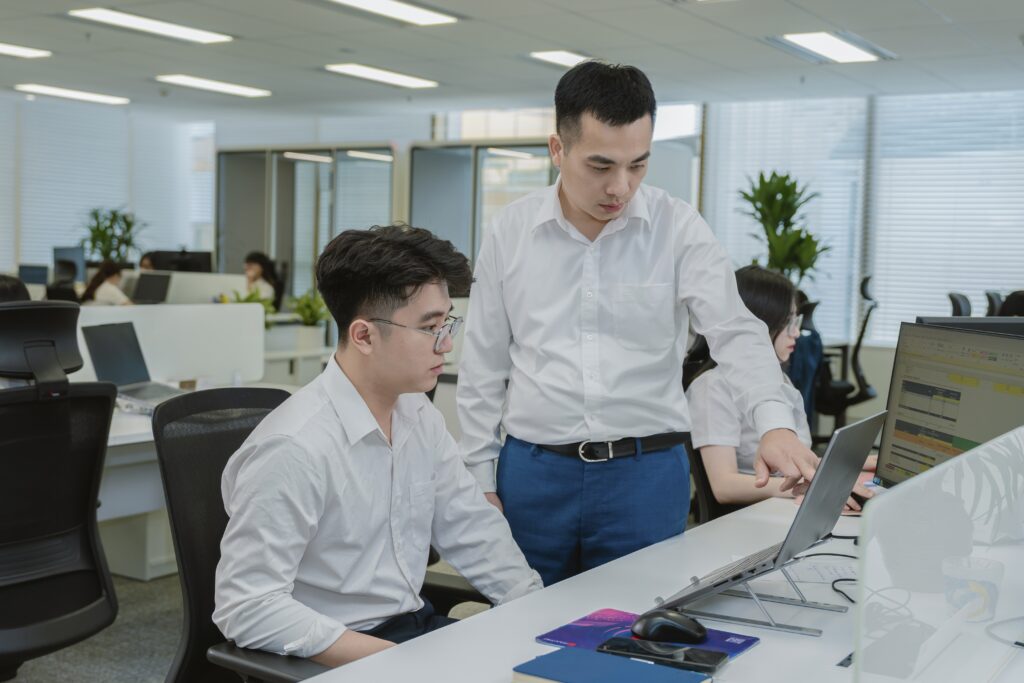
At GELEX, Learning Happens on the Job
When GELEX Infrastructure arranged its first international syndicated loan, the team had to work with 19 financial institutions and meet a series of due diligence requirements within a tight timeframe. For GELEX Group’s Finance and Accounting Division, the US$200 million loan was more than a financing transaction. It was...
GELEX’s Investment in People Goes Beyond Training
As business strategies evolve, companies need people who are ready to turn new priorities into action. At GELEX, developing people goes beyond the classroom. It happens through real work, new challenges and the responsibility to deliver results. When GELEX began implementing International Financial Reporting Standards (IFRS), Nguyen Thu Hang,...