Return to previous page
For Dao Thi My Dung, one of the most rewarding moments in her work in training comes when a session is supposed to end, but the room wants to keep talking because everyone sees something familiar in the topic. Behind that moment are people who make time to share their experience and give colleagues the opportunity to put what they have just learned into practice.
The Rewards of Working in Training
Now in her fifth year at GELEX, Dao Thi My Dung of the Training and Development Department is familiar with the work of understanding the learning needs of different departments and business units, connecting with people who can share their knowledge, and helping prepare training programmes. Each task comes back to one question: will this help colleagues do their jobs better? Dung says: “For someone working in training like me, one of the most rewarding moments can come during a session, when a topic that was prepared on paper turns into a conversation that everyone wants to continue because it is so closely connected to their everyday work”.
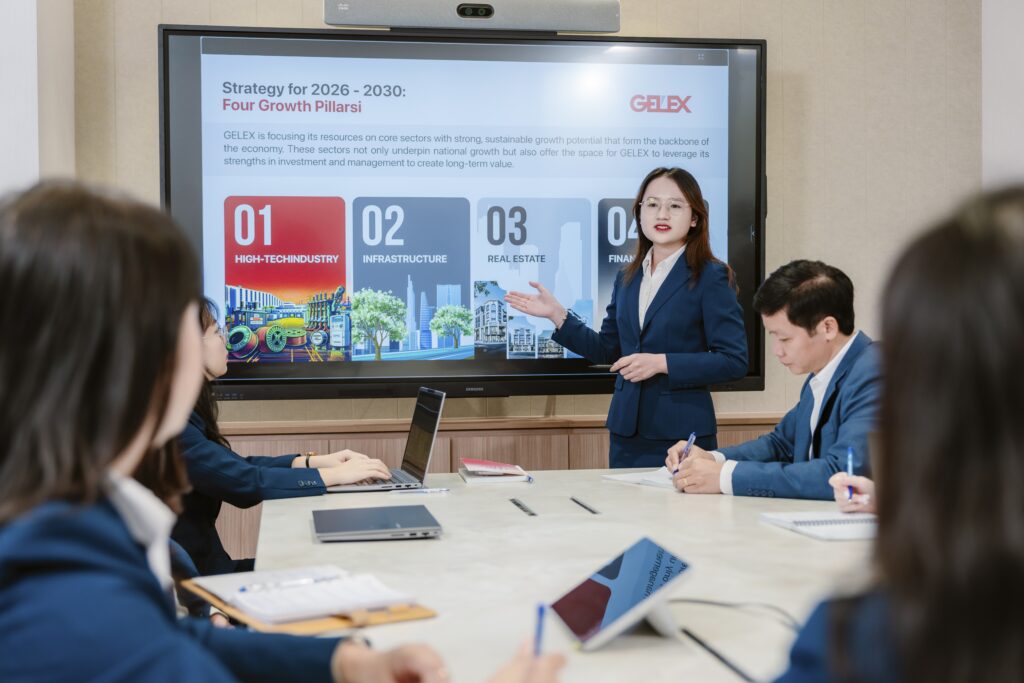
During a discussion with the teams responsible for implementing corporate culture across GELEX’s business units, Nguyen Thi Thuong, Deputy Director of the Group Human Resources Division, suggested starting the training pillar with a question rooted in everyday work: Where are people struggling, and what else do they need to learn to do their jobs better? From there, the teams can identify colleagues who have dealt with similar situations, invite them to share how they approached the problem, and work with managers to create opportunities for others to apply those lessons.
Thuong shares: “Having spent many years working in training, one of my own rewards is sometimes simply seeing an experience shared at the right moment, helping a business unit resolve a problem or find a more suitable way of working”.
This is how GELEX’s training teams help connect people and knowledge across the organization.
Making Time and Creating Opportunities to Learn
For Dung and her colleagues to do this work, learning needs to have a place in the Group’s plans and in each business unit’s working schedule. GELEX’s investment is reflected in the resources allocated to employee development programmes, from courses that help managers improve how they delegate and develop their teams to specialist sessions prepared by employees for their colleagues. At the business-unit level, that investment also comes down to managers making time for employees to learn and giving them opportunities to put what they have learned into practice.
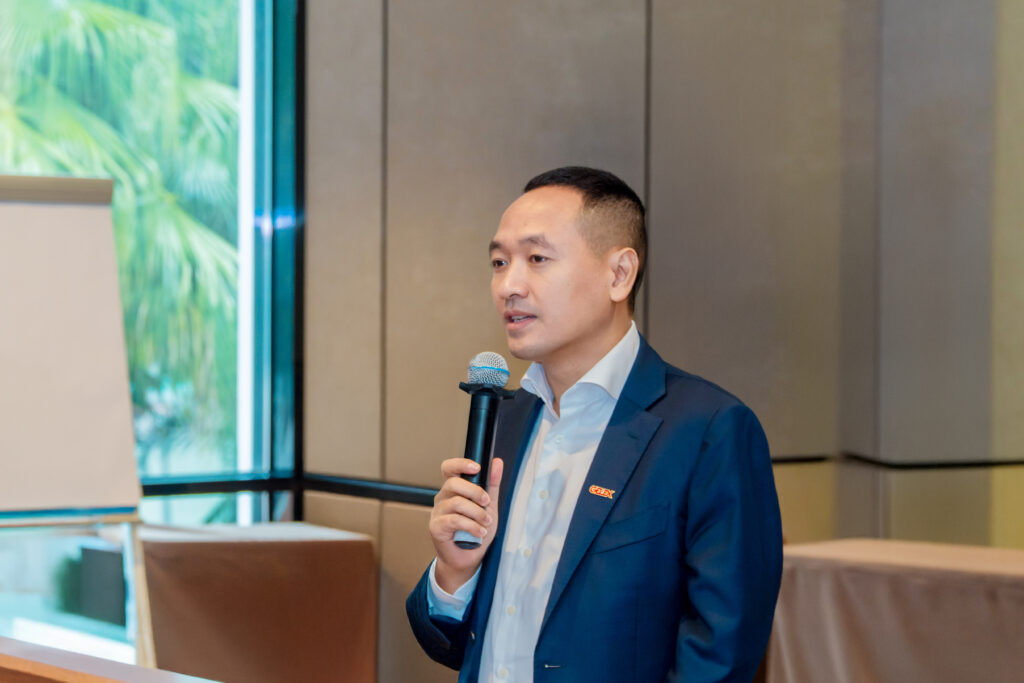
According to Nguyen Van Tuan, Chairman of the Board of Directors of GELEX Group, as GELEX transforms into an investment group and works towards its 2030 vision, strong leadership and a capable workforce are fundamental to its development. He emphasizes: “For GELEX, people are a long-term investment, and we are committed to investing in their development without setting a limit on the resources. At GELEX, we have the opportunity to do meaningful work, create value for the community and contribute to the country’s development”.
The Chairman has repeatedly reaffirmed GELEX’s commitment to equipping its leadership team with the knowledge, thinking and management tools needed for the next stage of development.
This consistent commitment reflects GELEX’s view that people development is more than an HR activity. It is part of the Group’s long-term strategy for building competitiveness. “GELEX remains committed to one belief: if we want to build a sustainable business, we must first develop people who have the ability to shape the future”, Chairman Nguyen Van Tuan affirms.
Leaders Set the Example Through Their Own Learning
Senior leaders and key managers at GELEX and its member companies do not simply observe these programmes from the sidelines. They take part as learners themselves. Even while holding the highest executive positions, they actively join group discussions and work through case studies on strategy, risk management and transformation, just like any other participant.
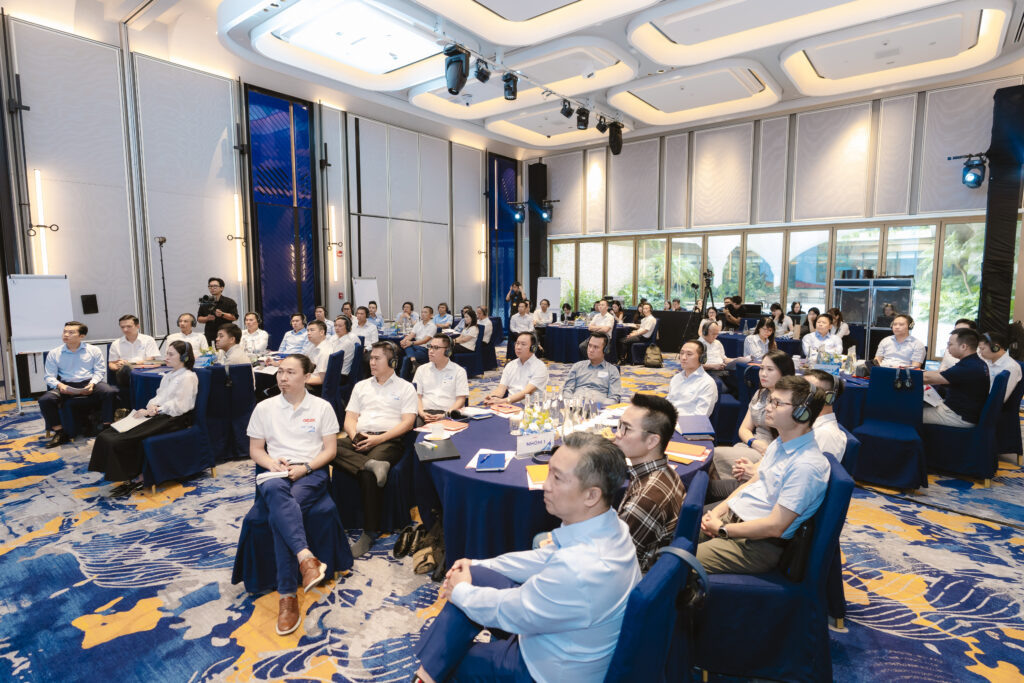
GELEX leaders explore new management thinking through a training programme specially designed by NUS.
Mai Thi Minh Thu, Executive Committee Member and Group Human Resources Director at GELEX, explains that leadership by example at GELEX does not begin with speeches. It starts with leaders taking training seriously and actively participating in learning activities. Even those in the most senior executive positions are willing to set aside their management roles and become genuine learners in in-depth training programmes. They take part in discussions, work through case studies and explore international management perspectives to address real business challenges. “When leaders continually challenge themselves to learn and improve, while making room for others, empowering them and supporting the next generation, their example naturally inspires others across the organization. It turns lifelong learning from a requirement into an intrinsic part of GELEX’s culture”, Thu emphasizes.
The Work That Often Goes Unnoticed
When a colleague leads a training session, they bring with them the experience they have built up over years of work. For example, in sessions led by the Group Legal Division, topics such as contract control and updates on legal regulations are linked to questions employees may encounter when handling documents in their day-to-day work. The trainer helps colleagues understand what they need to check, where to find the relevant information and when to seek further advice from the specialists. Explaining things that may seem familiar takes preparation: trainers need to reflect on their own working practices and identify the details worth sharing.
Then there are the people who make sure each session runs smoothly. The Office team, logistics staff and coordinators at the business units work together to arrange schedules, prepare rooms, organize materials and check equipment. Even something as simple as testing the sound system before a session begins can determine whether colleagues joining remotely can hear clearly and take part in the discussion.
After a session ends, the Communications team can help share what was learned with colleagues who were unable to attend. At the “Working Together to Solve Tough Challenges” dialogue, for example, one memorable detail from the US$200 million international syndicated loan was how the timeline for processing documents had to be adjusted as the disbursement deadline approached. Recording how the team reviewed its options, coordinated with the people involved and adjusted to the timeline gives colleagues in other business units a practical example to draw on when their own work involves coordinating across multiple teams.
Mai Thi Minh Thu shares: “On the occasion of Vietnamese Teachers’ Day, November 20, we would like to express our sincere appreciation to the training teams at the Group and its member companies, who take the time to listen to learning needs, connect people who can share their knowledge and put so much care into every programme. We also thank our internal trainers, managers and colleagues for their support in making these learning opportunities possible. Their contributions help bring learning closer to the needs of the job and the development of our people”.
PR DEPARTMENT
Related news
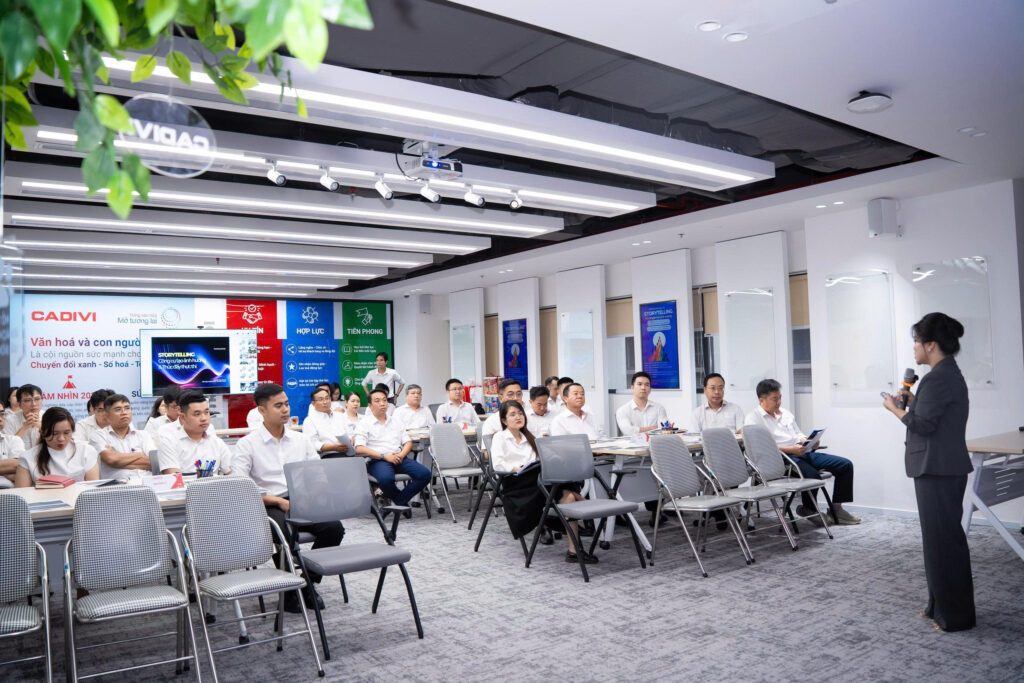
When Experience Becomes a Shared Asset
In every organization, valuable experience is built up over time: through solving problems, trying new approaches and leading teams. At GELEX, leaders, experts and managers draw on that experience and share it through internal training programmes, giving colleagues the opportunity to learn from one another and apply management practices...
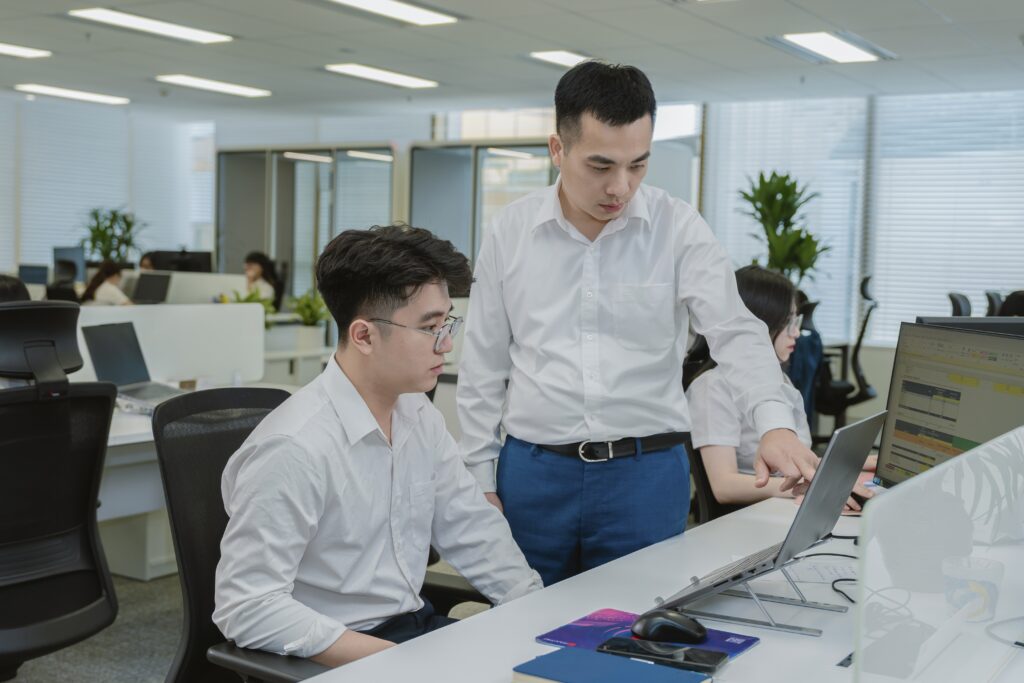
At GELEX, Learning Happens on the Job
When GELEX Infrastructure arranged its first international syndicated loan, the team had to work with 19 financial institutions and meet a series of due diligence requirements within a tight timeframe. For GELEX Group’s Finance and Accounting Division, the US$200 million loan was more than a financing transaction. It was...
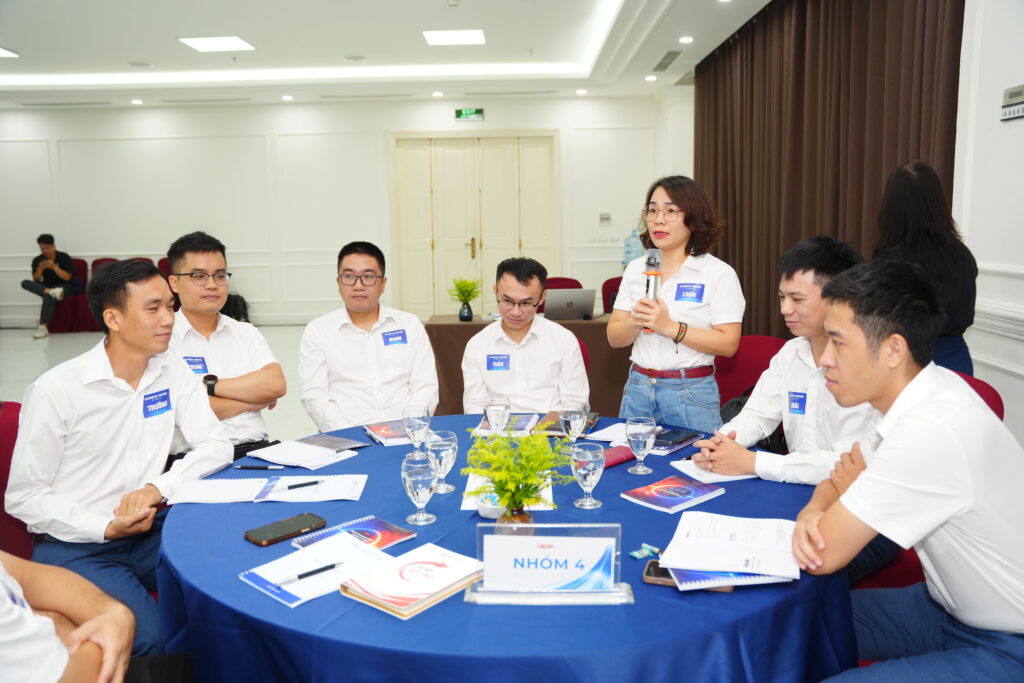
GELEX’s Investment in People Goes Beyond Training
As business strategies evolve, companies need people who are ready to turn new priorities into action. At GELEX, developing people goes beyond the classroom. It happens through real work, new challenges and the responsibility to deliver results. When GELEX began implementing International Financial Reporting Standards (IFRS), Nguyen Thu Hang,...