Return to previous page
GELEX Infrastructure Shares Its Investment Perspective at Vietnam Future Economy Summit 2026
Nguyen Hoang Long, Vice Chairman of the Board of Directors of GELEX Infrastructure, spoke at Vietnam Future Economy Summit 2026, sharing how GELEX selects investment opportunities and manages risks as it expands its business.
Organized by Bloomberg Businessweek Vietnam on November 26 at Thiskyhall Sala in Ho Chi Minh City, the forum attracted more than 500 delegates, according to the organizers. It brought together business leaders, policymakers, experts and investors from Vietnam and overseas. Discussions focused on Vietnam’s economic outlook for 2027–2030, shifts in capital flows and the impact of technology on competitiveness.
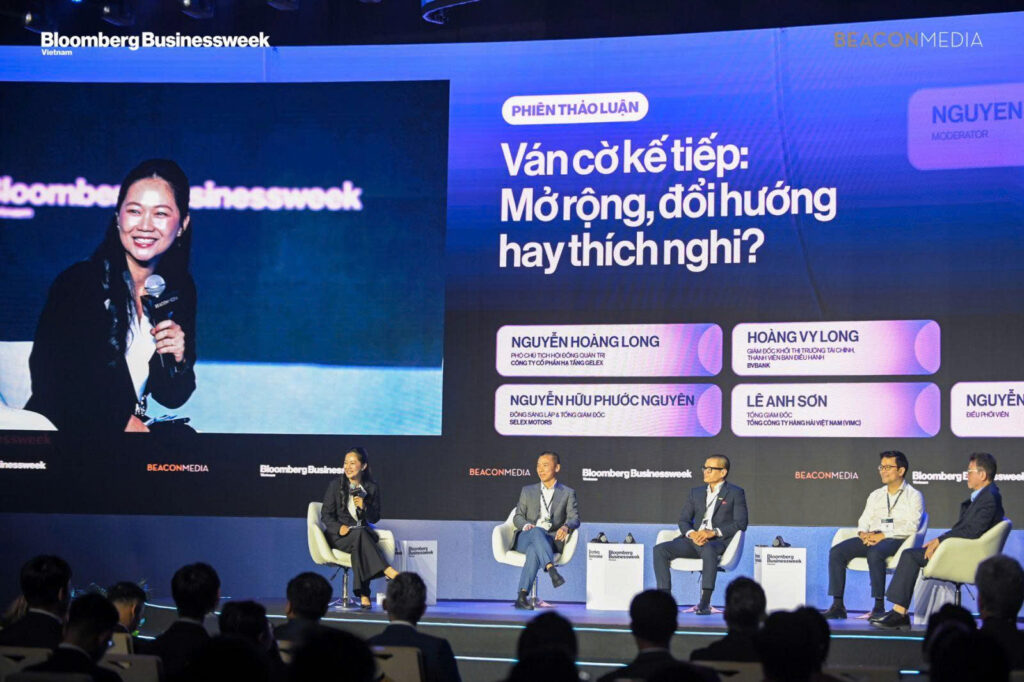
At the session “The Next Move: Expand, Pivot or Adapt?”, Long joined Le Anh Son, General Director of VIMC; Nguyen Huu Phuoc Nguyen, Co-founder and CEO of Selex Motors; and Hoang Vy Long, Head of Financial Markets Division and Executive Committee Member of BVBank. The discussion was moderated by Nguyen Tran Phi Yen.
Expanding in Response to Long-term Demand
Asked to choose between the three options, Long chose “expand”, both by growing existing businesses and seeking new investment opportunities. He said GELEX sees opportunities arising from the restructuring of Vietnam’s economy and has been preparing the resources needed to capture them.
From the perspective of the electric motorcycle industry, Nguyen Huu Phuoc Nguyen chose “selective expansion”, based on market growth and his company’s strengths. Representatives from VIMC and BVBank, meanwhile, placed greater emphasis on adaptation amid changes in geopolitics, interest rates, technology and customer demand.
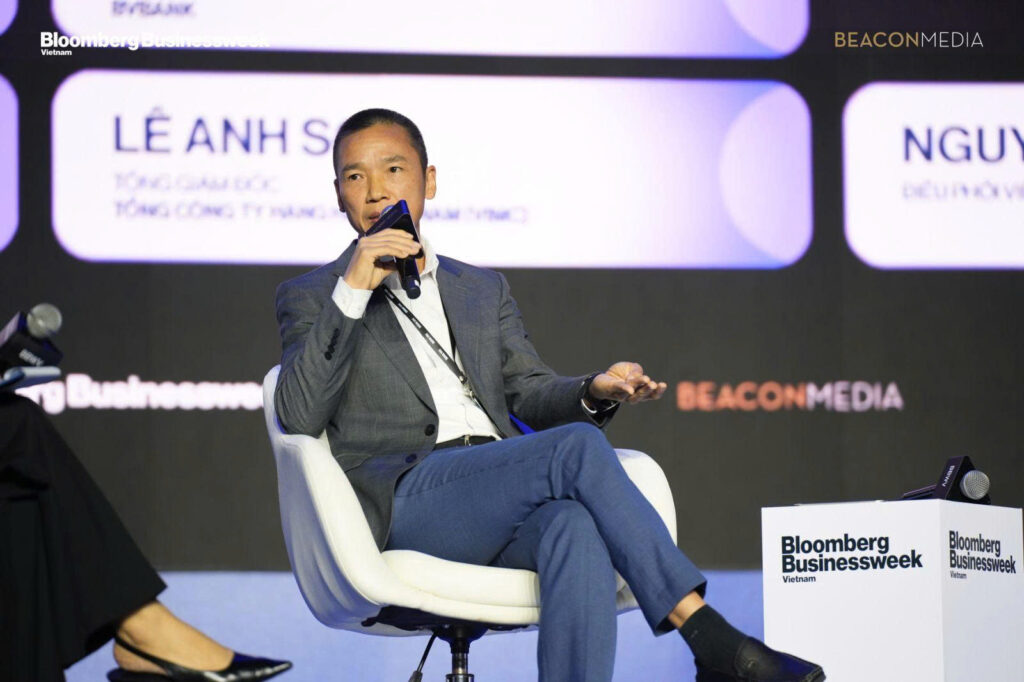
Long also noted that these opportunities would not be equally accessible to every business. For infrastructure projects involving public investment, he said the investment structure must clearly define each party’s role and ensure the project is financially viable before the private sector can participate. Businesses also need sufficient resources, sound management, the ability to adapt quickly and the capacity to meet higher standards if they are to make the most of these opportunities.
He cited the energy sector as an example. The growth of AI and data centers is driving long-term demand for electricity. Turning that demand into viable projects, however, requires investors to address several challenges, including regulatory mechanisms, power grids, the integration of new energy sources and energy storage. He also mentioned battery energy storage systems and hydrogen production, alongside energy storage as emerging issues for the sector.
Maintaining Financial Discipline and Defining Acceptable Risk
According to Long, access to capital and funding costs could come under significant pressure in the short term if there is an interest rate shock or volatility in financial markets. Otherwise, he does not expect these pressures to be significant, as GELEX places strong emphasis on financial discipline, ensuring the effectiveness of each investment, maintaining a balanced capital structure and drawing on its experience in arranging long-term international financing at reasonable costs.
He added that every investment project must be assessed for its overall feasibility, not simply its ability to secure loans. This assessment starts with market conditions and long-term supply and demand, followed by revenue, cost and profit prospects, regulatory and policy conditions, and issues relating to the supply chain, engineering, construction and operations. In his view, geopolitical developments, shifts in supply chains and changes in market structures driven by technology, particularly AI, are among the more difficult risks to predict.
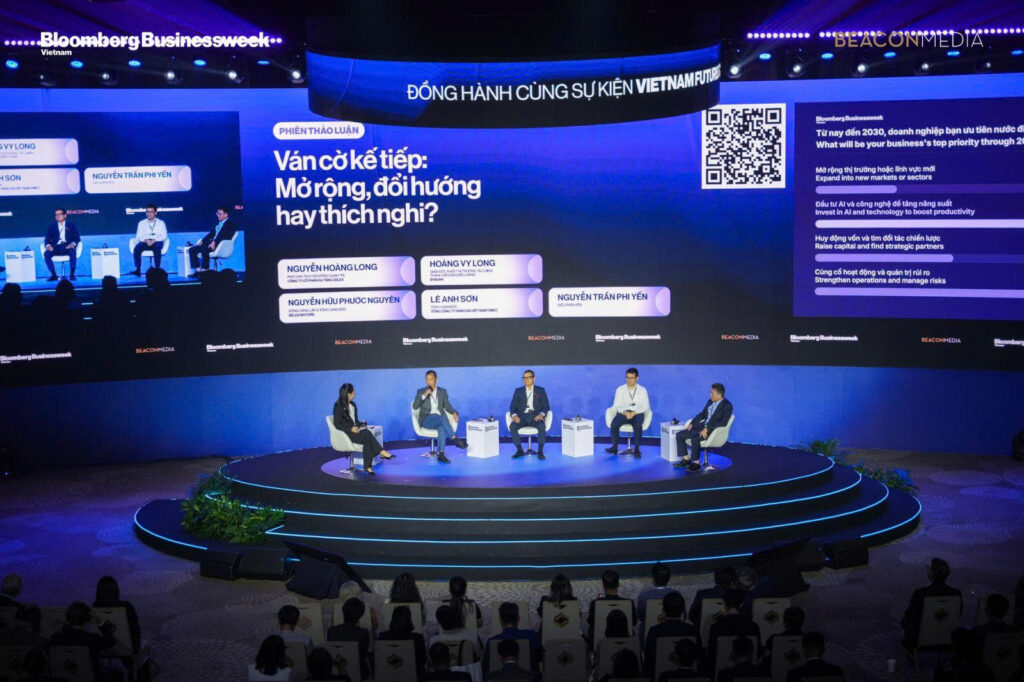
From the banking perspective, Hoang Vy Long highlighted the challenge of balancing credit growth, liquidity and asset quality. In the electric vehicle industry, Nguyen Huu Phuoc Nguyen pointed to competitive pressure and the importance of predictable policies. In maritime transport, Le Anh Son said businesses need to prepare their workforce, finances and operating systems in advance so they can adjust when market conditions change.
On the trade-offs involved in pursuing growth, Le Anh Son said VIMC could accept lower profits during the initial stages of launching new routes, provided it had a clear view of when adjustments would be needed and maintained transparency with shareholders.
Nguyen Hoang Long placed management capabilities among the top priorities and discussed the role of AI in preparing for growth. He said GELEX has established risk appetite and measurement criteria from the parent company down to its member companies, incorporating them into day-to-day operations. This framework allows the Group to accept mistakes within clearly defined limits while maintaining decision-making speed, operational efficiency and key financial balances.
Creating Opportunities for People to Grow
In the discussion on talent, the VIMC representative emphasized the importance of the working environment and employee autonomy in retaining capable people. The Selex Motors representative shared the company’s experience in training its own technical workforce, given the shortage of skilled personnel in the market.
Long said that, alongside competitive compensation, training and development need to meet market standards. Corporate culture is also central to bringing people together and supporting the business’s long-term development. GELEX has drawn on the experience of international companies and worked with consultants to build its corporate culture in a structured way. At the same time, in addition to attracting talented people, GELEX focuses on creating an environment that gives employees the opportunity to reach their full potential.
PR DEPARTMENT
Related news
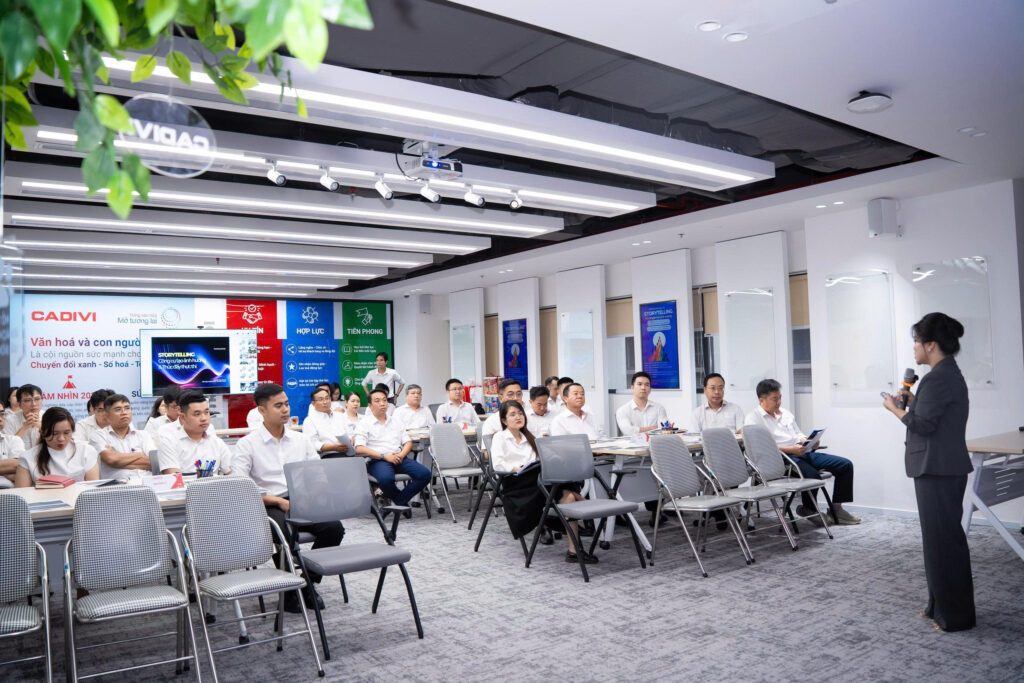
When Experience Becomes a Shared Asset
In every organization, valuable experience is built up over time: through solving problems, trying new approaches and leading teams. At GELEX, leaders, experts and managers draw on that experience and share it through internal training programmes, giving colleagues the opportunity to learn from one another and apply management practices...
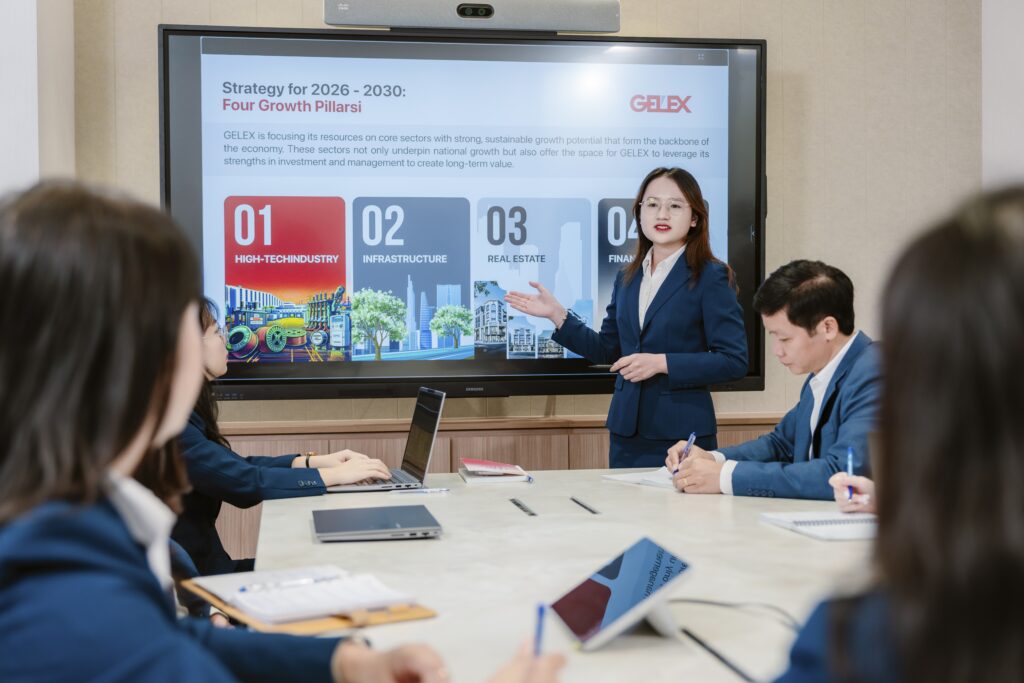
The everyday things that make up GELEX’s learning culture
For Dao Thi My Dung, one of the most rewarding moments in her work in training comes when a session is supposed to end, but the room wants to keep talking because everyone sees something familiar in the topic. Behind that moment are people who make time to share...
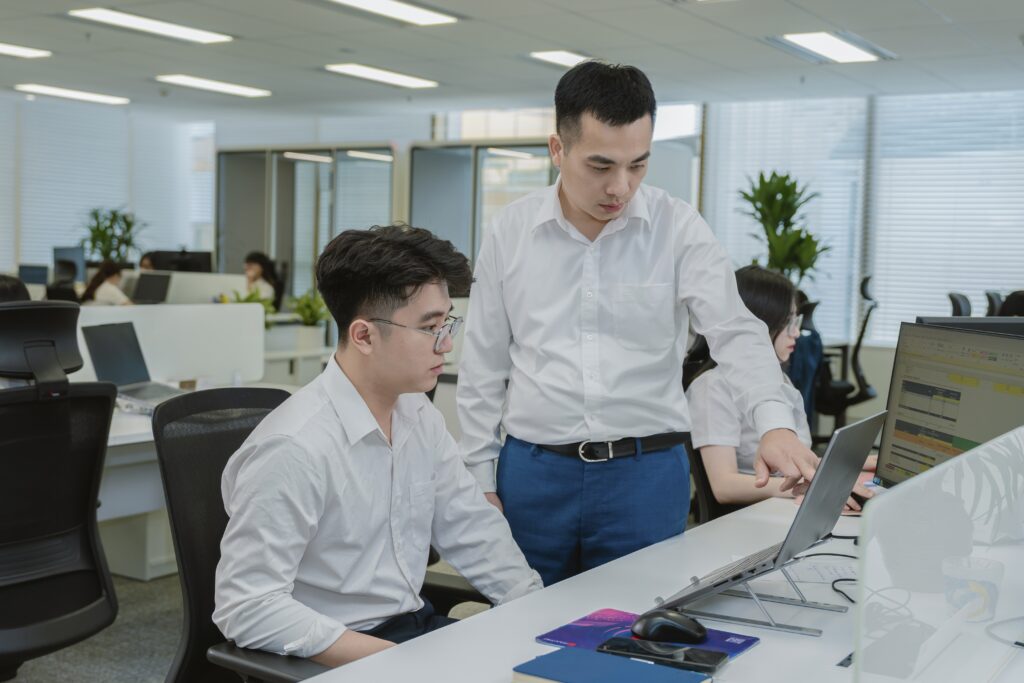
At GELEX, Learning Happens on the Job
When GELEX Infrastructure arranged its first international syndicated loan, the team had to work with 19 financial institutions and meet a series of due diligence requirements within a tight timeframe. For GELEX Group’s Finance and Accounting Division, the US$200 million loan was more than a financing transaction. It was...