Return to previous page
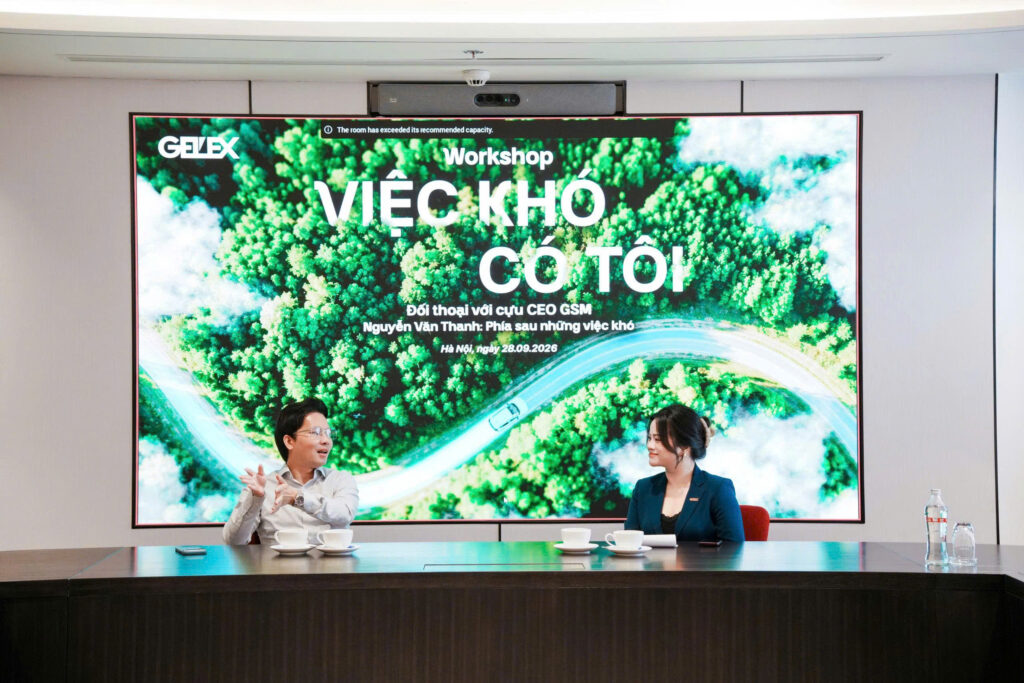
 On September 28, GELEX hosted “Tough Challenges – I’m In,” a conversation with Nguyen Van Thanh, former Global CEO of GSM and Founder & CEO of AVES. GELEX CEO Le Tuan Anh, business leaders, managers and employees joined the session both in person and online. Drawing on his experience building businesses and leading teams, Thanh shared his thoughts on how to approach new challenges, set priorities and turn plans into action. At the heart of the conversation was a simple question: When the goals get bigger, how do we need to change the way we work to make them happen?
Looking Behind the Results
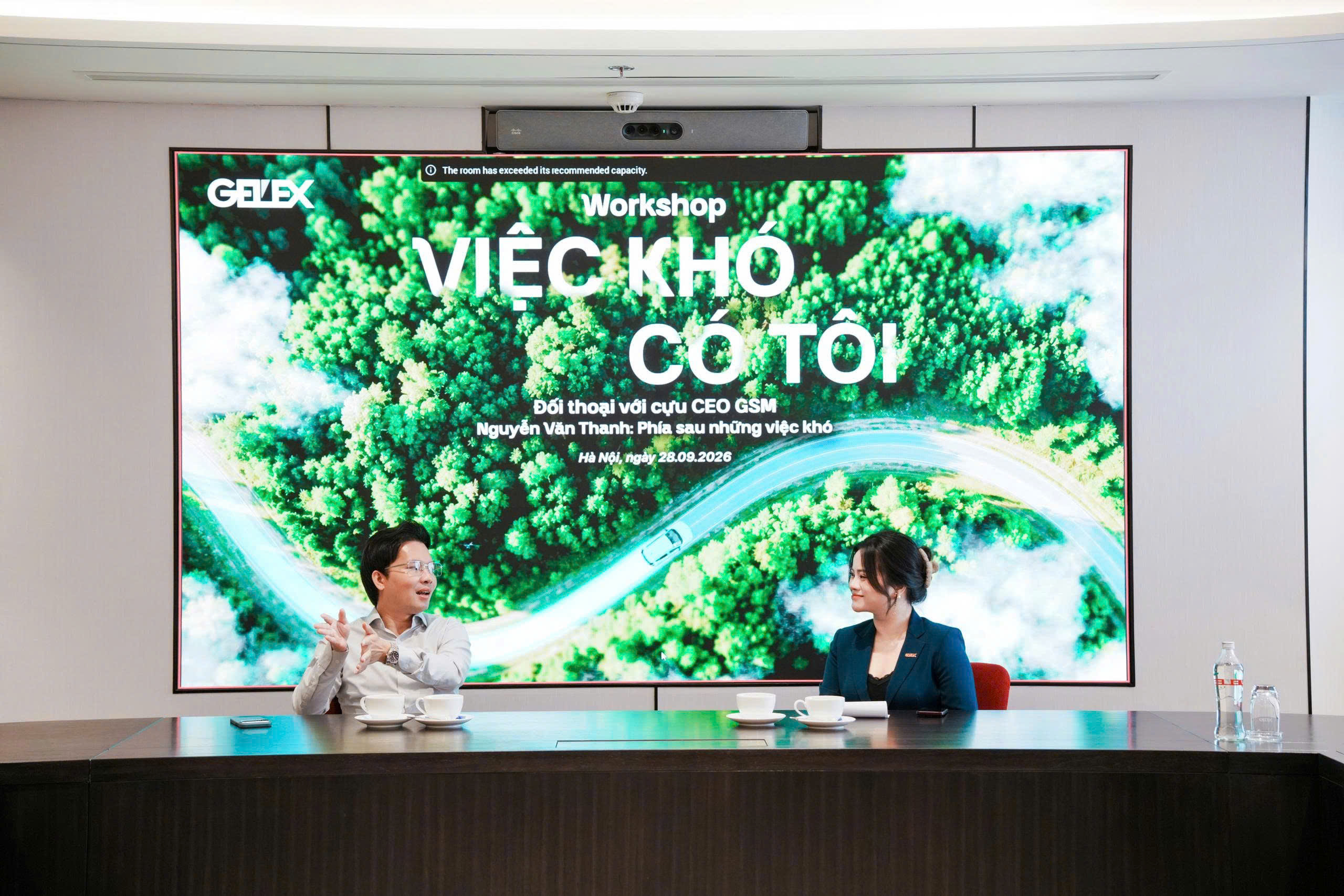
Hosted by Nguyen Hong Nhung, Chief Communications Officer at GELEX, the conversation did not start with achievements. It started with what came before them – the difficult decisions, the uncertainty and the choices leaders have to make when there is no easy answer. What is hardest for a leader? How do you get a team to understand a goal and truly commit to it? And when everything seems urgent, how do you decide what really deserves your attention?
Through a series of questions, the discussion moved from personal experience to practical management challenges. Thanh emphasized the importance of setting goals clearly enough to guide action. Leaders need to know where to focus, give people the right level of ownership and help them see why their work matters. A difficult assignment can also be an opportunity to grow. When people are given responsibility, the resources they need and the right recognition, they are more willing to step up, learn and stretch their capabilities.
Questions from GELEX’s Legal, Finance, Human Resources and Office functions brought the conversation into everyday situations: balancing resources, managing risk, clarifying accountability and creating opportunities for more people to take on challenging assignments. One question stood out: How do you make sure the hardest work does not keep falling on the same group of high performers? The discussion pointed to the importance of discovering people’s capabilities through real work, giving more employees the opportunity to take part in projects and sharing stories of growth from within the organization.
GELEX Has Grown by Taking on Difficult Challenges
Many of the issues raised during the session reflect GELEX’s own journey. Over more than three decades, the Group has expanded from its electrical equipment roots into a broader range of businesses. Each stage of that growth has brought bigger decisions and higher demands on management, resources and collaboration. The conversation also looked at some of the challenges GELEX has taken on along the way, from raising international capital to delivering major projects and building out its operating businesses. Behind every milestone are people solving problems, working across teams and staying accountable for what they set out to do.
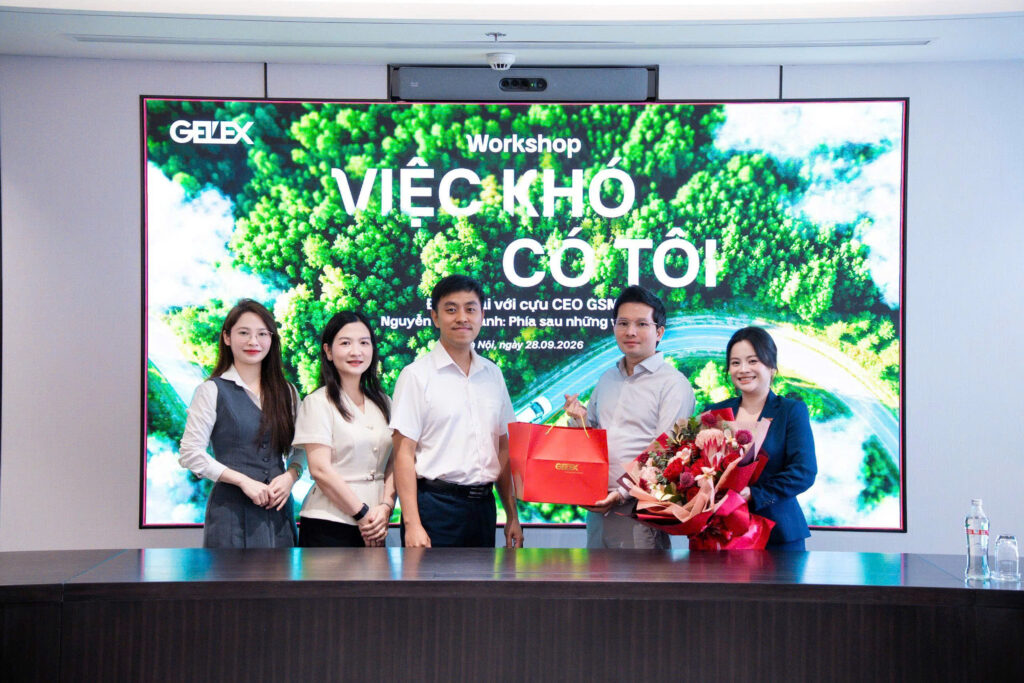
Looking toward 2030, GELEX faces a new set of challenges: bigger goals, higher expectations for efficiency and more complex collaboration across the organization. That makes it important for every business and every individual to look again at how they work and be clear about the part they need to play.
Speaking at the program, GELEX CEO Le Tuan Anh put it simply: “If ambitious goals remain just goals, they stay on paper. They need to be carried through action, results and, above all, people”. Drawing on the discussion, he outlined three things needed to turn difficult challenges into results: clear goals, clear ownership and accountability all the way through. Clear goals mean knowing what needs to be achieved and what matters most. Clear ownership means knowing who is responsible, who has the authority to make decisions and who needs to be involved. And staying accountable means identifying problems early, making adjustments when needed and staying with the work until the result is delivered.
That is the idea GELEX wants to carry back into everyday work. For each person, a difficult challenge may be a new assignment, an unresolved problem or a goal that calls for a different approach. What matters is how we respond – whether we step forward, take ownership and work with others to move the work forward. Because in the end, bigger goals do not become real simply because they are written down. They become real when people take them on – and turn them into results.
Related news

Inside GELEX’s Learning Ecosystem
GELEX is gradually building a learning ecosystem aligned with its 2030 strategy. Learning does not happen only in the classroom. It continues through everyday work, shared experiences and new ways of working that take shape over time. Learning Goes Beyond the Classroom GELEX is entering a new phase of...

Nguyen Trong Trung Appointed Chairman of THIBIDI’s Board of Directors
The leadership change at THIBIDI strengthens strategic alignment across GELEX’s electrical equipment businesses and helps leverage the Group’s capabilities for its next phase of growth. On October 2, 2026, an Extraordinary General Meeting of Shareholders of THIBIDI approved the appointment of Mr. Nguyen Trong Trung as a new member...

GELEX expands learning opportunities for students facing hardship
Through practical, long-term support, GELEX is helping young people stay in school and keep moving towards their goals. In the heart of Hanoi, Binh Minh Primary School serves both primary students and children with intellectual disabilities through its inclusive education programme. For these students, a lesson can be about...